RENATA SALON GAZETTE · KNOWLEDGE ISSUE
Colour Care
Why Does Hair Colour Fade So Fast in Malaysia? The 6 Real Causes (and 2 Myths)
Three weeks out of the salon, the ash you paid for is warm again — and most of what drained it is fixable this week. Here are the six causes with real evidence behind them, plus two popular explanations that don’t survive a check of the numbers.
Why does bleached or dyed hair lose colour with every single wash?
Part of the answer is sitting in your shampoo bottle. Most shampoos build lather with anionic surfactants — sulfates being the most common — while the pigments used in colour-depositing and toning shampoos carry the opposite charge: cationic, positively charged. Put the two in one bottle, or wash a freshly-deposited colour with a sulfate shampoo, and the opposing charges cancel each other out; the pigment can even precipitate out of solution instead of landing on the hair. A pigment-depositing shampoo patent on record (US10245221B2, assigned to a US colour-shampoo maker) states plainly that combining cationic dyes with anionic surfactants causes “a reduction of … colour deposition” and can trigger “precipitation of an unwanted anionic/cationic complex.” It is also why a colour-depositing shampoo lathers less than a normal one: sulfate-free formulas don’t foam the same way, and the foam is what you trade for the pigment staying on your hair.
Does Malaysia’s sun really fade hair colour faster than it would elsewhere?
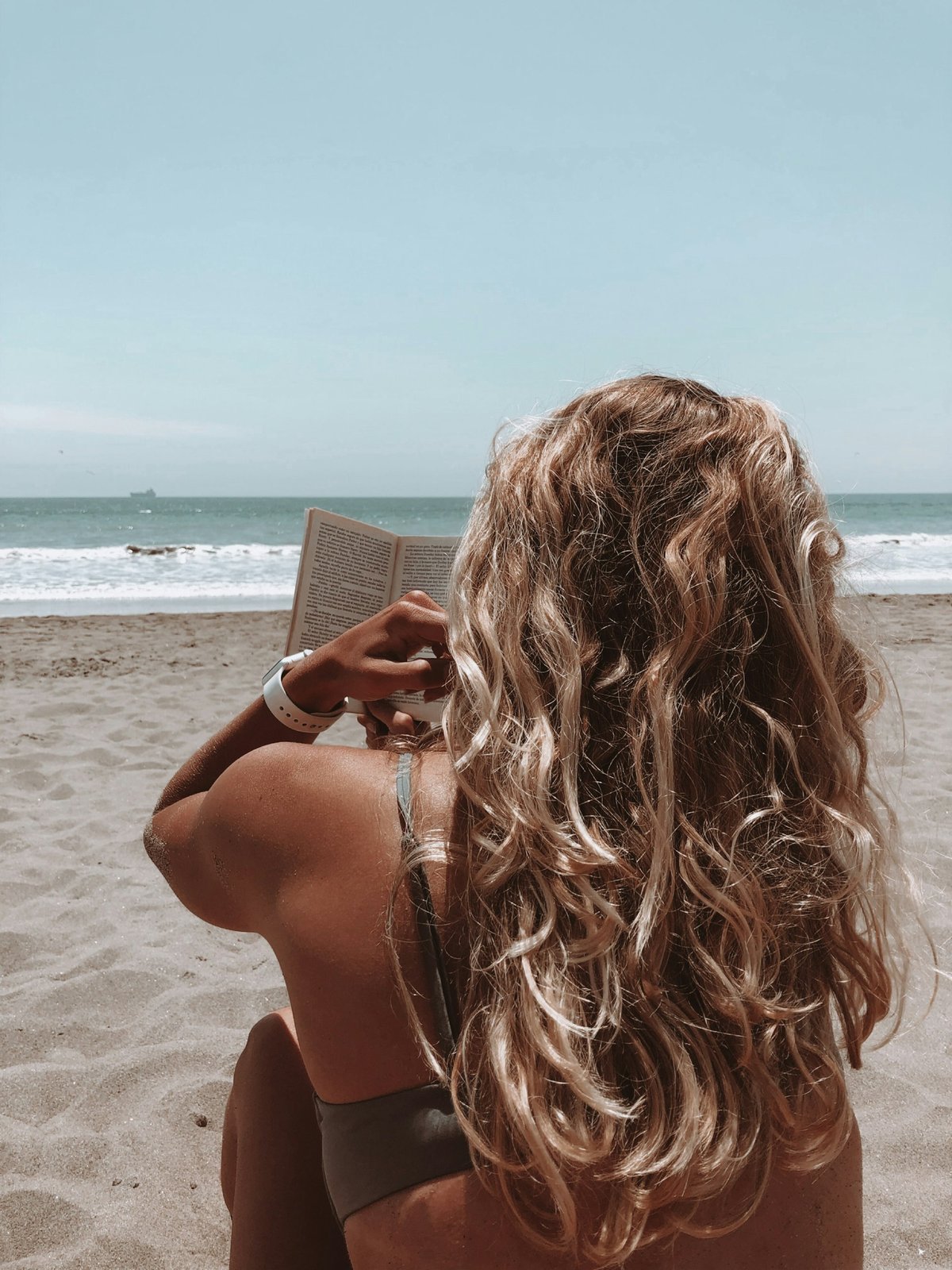
Yes, and by a wider margin than most colour advice accounts for. Malaysia sits close to the equator, which means stronger and more consistent UV exposure through the year than most markets these dye technologies were developed for. UV energy breaks down dye molecules directly — the same mechanism that fades fabric and paint left in strong sun, and hair pigment isn’t immune to it. Daily sun exposure on unprotected hair adds up faster here than it would in a country with a real winter.
Does washing in hot water make colour fade faster?
Yes. Hot water opens the hair’s outer cuticle layer wider than cool water does, and an open cuticle lets pigment molecules slip out more easily during rinsing. Lukewarm to cool water for the actual rinse, even when the shower itself is warmer, keeps the cuticle closer to flat and holds onto more colour per wash.
Does washing your hair every day fade colour faster?
Every wash removes some pigment, so more washes means faster fade. Malaysia’s heat and humidity also make frequent washing feel necessary, especially for oilier scalps, which makes this a genuine trade-off rather than a simple “wash less” answer. The more useful fix is making each wash cost less colour — cooler water, sulfate-free formula — instead of fighting the climate on frequency alone.
Does swimming pool or sea water really ruin hair colour?
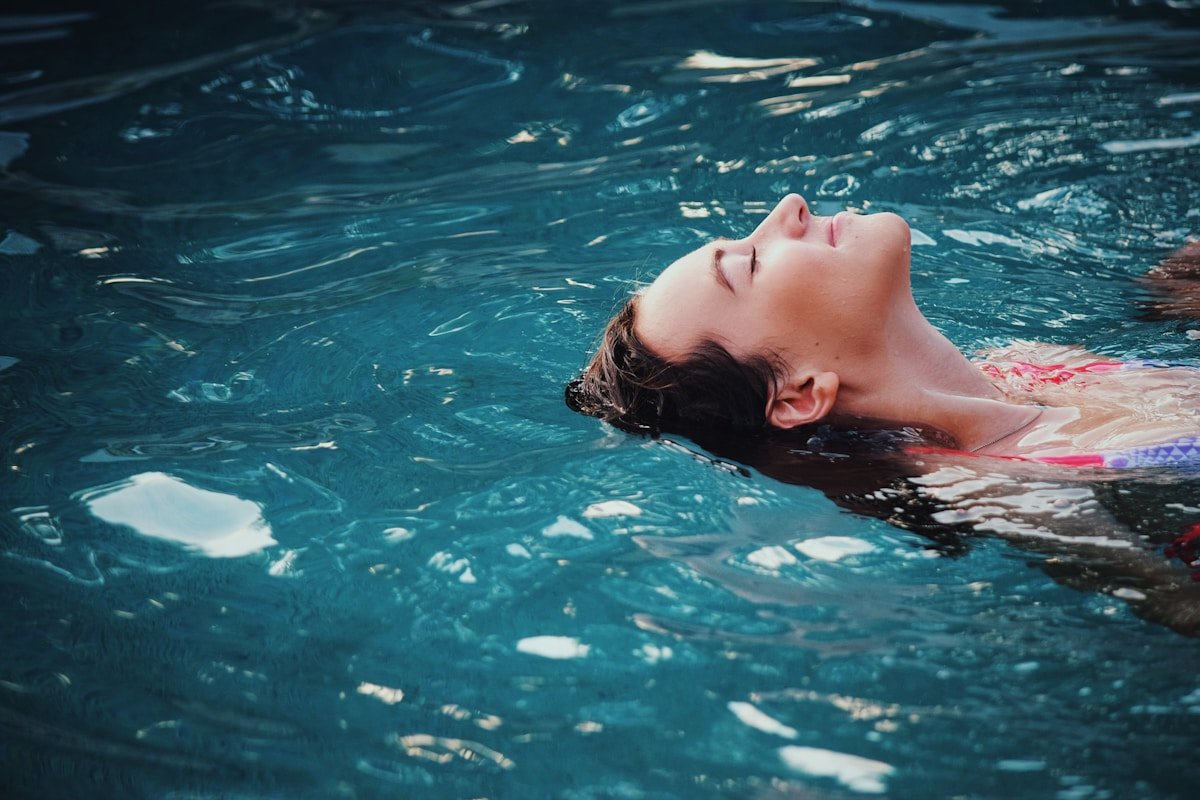
A weekend at the pool costs you more colour than most people realise. Chlorine increases porosity and strips pigment through oxidation, which is real damage on its own terms. The greenish tint some swimmers notice afterward is commonly misattributed to chlorine “dyeing” hair green; what’s actually happening in most cases is copper and other metals present in pool water binding to hair that chlorine has just made more porous and absorbent. Either mechanism, the fix is the same: rinse or wet hair with plain water before you get in so it absorbs less pool water, then wash properly afterwards.
Does heat styling fade colour as much as sun or chlorine does?
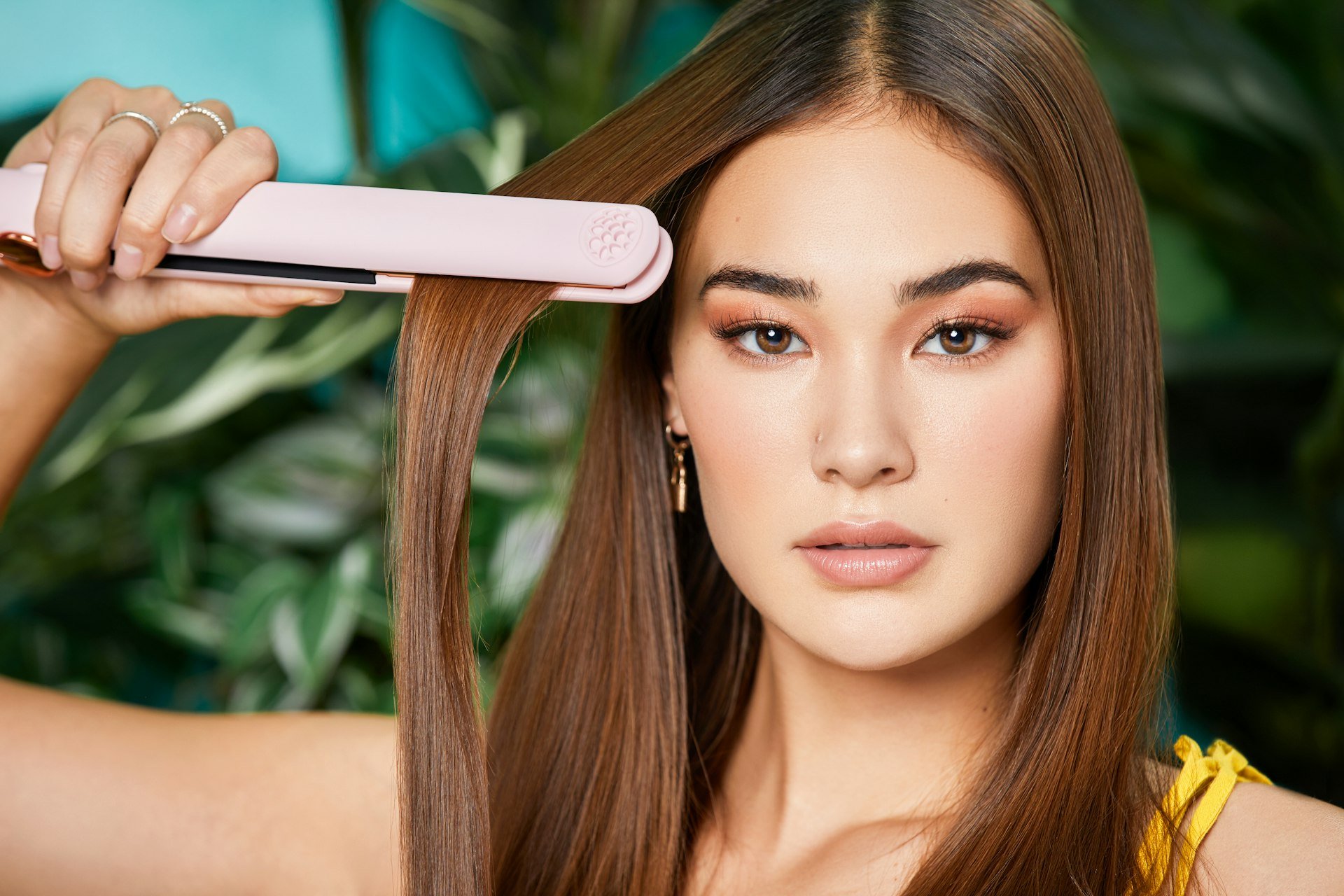
It contributes on its own track. Straighteners, curling irons and high-heat blow-drying add thermal stress to hair that’s already chemically processed, degrading both the hair’s structure and the pigment sitting on and in it. Rarely the single biggest cause, but stacked on top of daily sun and frequent washing, it shows.
| Cause | What it does | What actually helps |
|---|---|---|
| Sulfate surfactants | Cancels out and can precipitate cationic dye pigment | Sulfate-free, colour-safe shampoo |
| Equatorial UV | Breaks down dye molecules directly | UV-protecting spray or a hat outdoors |
| Hot water | Opens the cuticle, lets pigment escape faster | Lukewarm to cool rinse |
| Wash frequency | Every wash removes some pigment | Wash on a real need, not a fixed daily habit |
| Chlorine / pool & sea water | Oxidises pigment, raises porosity, invites metal staining | Wet hair with plain water before swimming; wash after |
| Heat styling | Thermal stress on hair and pigment | Heat protectant, lower tool temperature |
Myth: Kuala Lumpur’s hard tap water is ruining your hair colour
This is the one that doesn’t survive a check of the actual numbers. A survey of 100 tap water samples across Kuala Lumpur’s twenty most populated areas found total hardness averaging 65 mg/L CaCO₃, ranging from 48 to 92 mg/L — comfortably inside the “soft water” band by any standard classification, a finding corroborated by a peer-reviewed review of Malaysian drinking water quality (Juniper Publishers). Malaysia’s own National Standard for Drinking Water Quality doesn’t discuss hardness at all — the word doesn’t appear in the document once. What it does discuss, three separate times, is residual chlorine, with a permitted range of 0.2–5.0 mg/L.
Residual chlorine
One KL survey isn’t every tap in the country, and nobody has measured what comes out of a condo rooftop tank. Still: there is no published Malaysian data supporting hard water as the cause, and there is published data pointing at chlorine.
Myth: there is a fixed number of extra weeks sulfate-free buys you
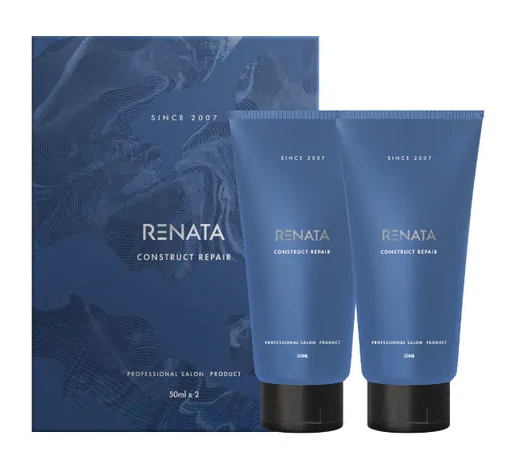
The chemistry above is real, and it works in your favour: sulfates and cationic dyes work against each other, which is exactly why we formulate a colour-depositing shampoo sulfate-free. It is what the product needs in order to deposit at all, and it genuinely slows the fade. What doesn’t hold up is turning that into a number, like “four extra weeks of colour.” That figure traces back to a supplement retailer’s marketing copy rather than a study. How many weeks you actually get depends on your base colour, how porous your hair is, and every other cause on this page.
Putting it together
None of these six causes are unique to Malaysia. The combination is: strong year-round UV, high humidity pushing more frequent washing, pools and sea within easy reach, and hot showers as the default. Together they add up to genuinely faster fade than the same colour would see in a cooler, drier country. None of it is hard water.
Slowing the fade also buys back money, which is the part nobody prices out. A KL salon colour service runs about RM159–390; a colour-depositing shampoo is upkeep between those visits, not a replacement for them.
The colour you paid for is worth holding onto for its own sake, and that’s what a colour-depositing shampoo is for if you’re trying to hold onto a specific tone rather than just slow the damage down. It is not a hair dye and it does not cover grey hair — see how the shade range works on the Rock Colour Shampoo page. And if the shade in question is blonde, grey or lightened hair turning yellow specifically, start with the purple shampoo guide instead: a narrower tool for a narrower job.
Salon Authority · Q&A
Common questions
Is Kuala Lumpur's tap water hard, and does it fade hair colour?
Does swimming pool chlorine really turn bleached hair green?
Does sulfate-free shampoo really make colour last longer?
How often should I wash coloured hair in Malaysia's climate?
Related reading
 Colour Care
Ash Grey Gone Orange: Why the Purple Bottle Made It Worse
Balayage or milk-tea brown turning copper-orange in KL, and purple shampoo only making it duller. Why dark …
 Colour Care
Purple Shampoo in Malaysia: How It Works, When It's Not Enough, and What to Use Instead
How purple shampoo neutralises yellow in bleached, blonde or grey hair, the dwell times and RM prices sitting …
 Scalp Care
How Often Should You Wash Your Hair in Malaysia?
There is no universal wash schedule for Malaysia’s heat and humidity. Use scalp oil, sweat, hair type and …