
RENATA SALON GAZETTE · KNOWLEDGE ISSUE
Indian & Mixed-Heritage Hair
Hair Oiling, Henna & Salon Colour: Maintenance for Coarse & Dark Bases

Colour lands differently on hair that gets oiled every week, or that henna has ever touched — and knowing how saves you a colour you never ordered. Here’s what’s well established, what still isn’t, and where to slow down.
Why does coarse, dark hair take colour differently in the first place?
Higher pigment density means more lift. Hair with a dense supply of natural pigment (eumelanin) needs more processing time, sometimes more sessions, to reach a base light enough for a fashion colour or a strong toning shade to read clearly. That’s standard colour theory, not a Malaysia-specific finding: darker, coarser hair resists lightening more than fine, naturally light hair does. The practical result is the one you meet in the salon mirror — a shade that looks vivid on a pre-lightened blonde base can read completely different, or barely register at all, on hair that started dark and coarse.
Does regular hair oiling affect how well colour or a colour-depositing shampoo works?
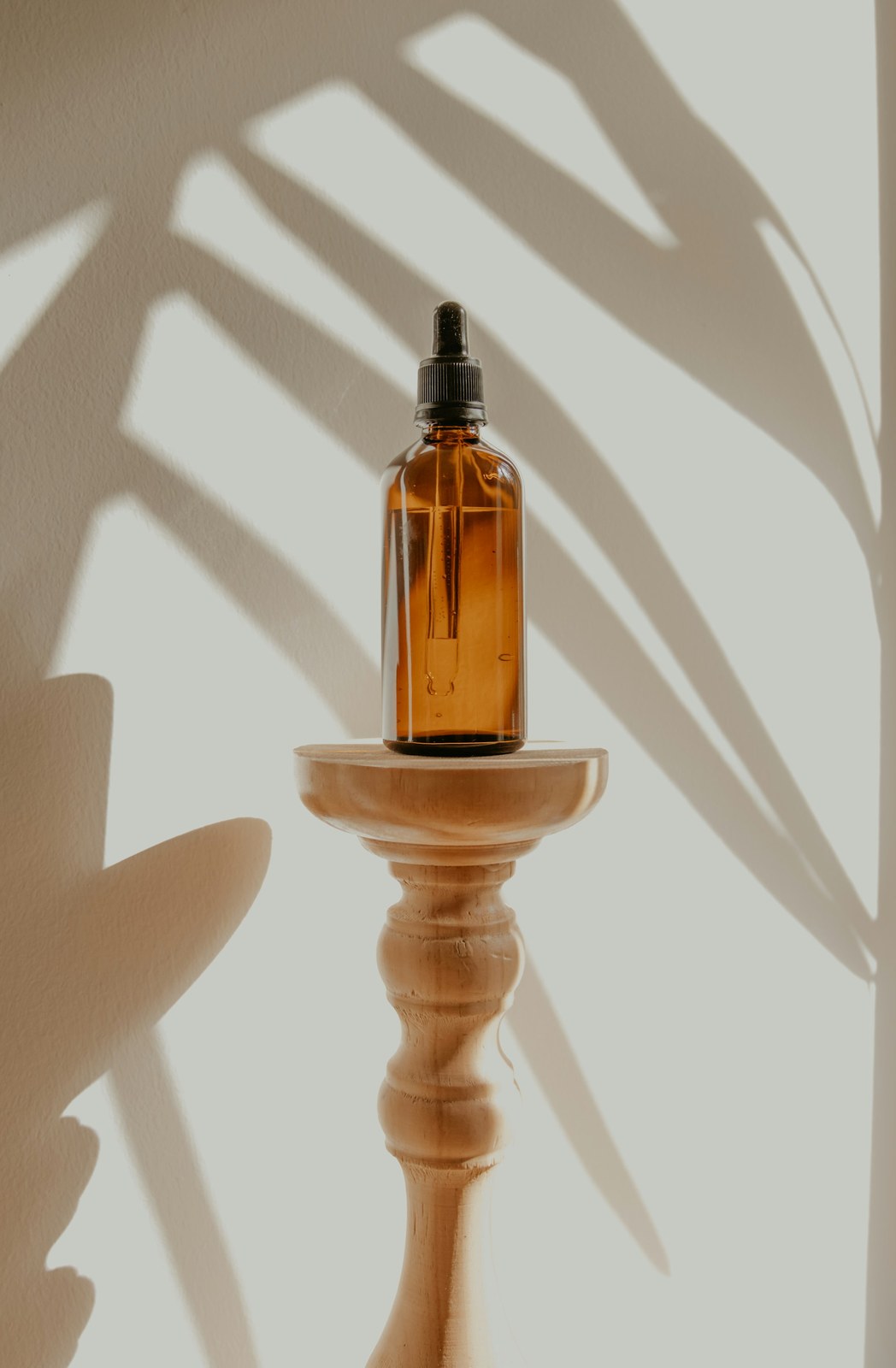
Yes, while the oil is still on. Oil sitting on the hair shaft forms a barrier between the surface and whatever you apply next, which is why many colourists ask you to clarify — one proper, thorough shampoo — before a colour service, or before your first wash with a colour-depositing shampoo, rather than going in over a heavily oiled scalp and lengths.
Good news for the routine itself, weekly oiling once colour has already been deposited: there’s no evidence it strips deposited pigment materially faster than ordinary washing does, so the routine stays. What it does to retention over months simply hasn’t been measured either way.
What does henna do to hair, and how does that affect colouring later?
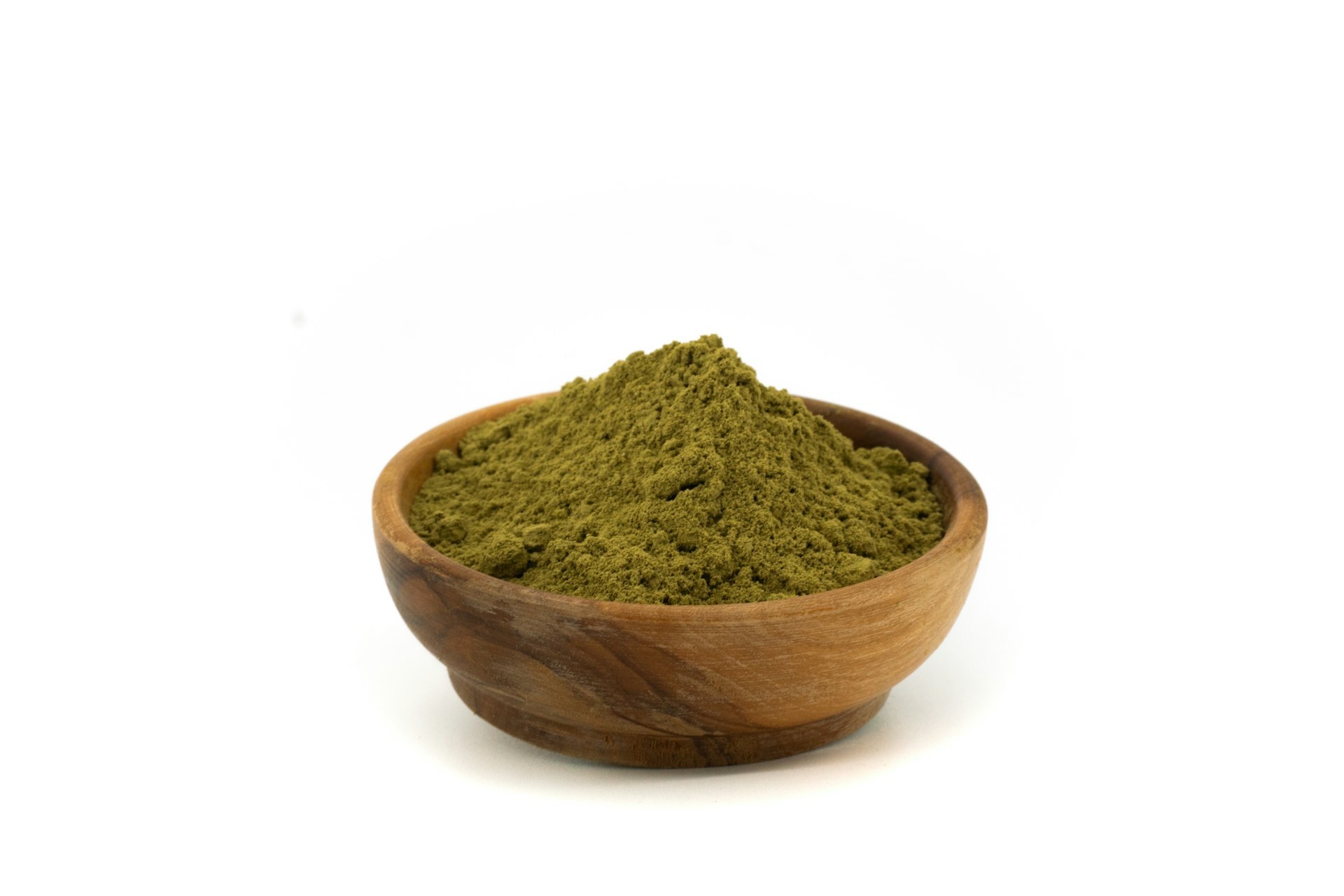
Henna leaves a stain that binds to keratin and does not lift back out with bleach the way an oxidative dye does. That is long-established hairdressing knowledge, not guesswork. The stain can also react unpredictably when an oxidative dye is applied over it, sometimes shifting colour in ways the box on the shelf never promised. It’s the reason many hairdressers ask, before any chemical service, whether henna has ever touched the hair — sometimes years earlier — because the stain can persist that long.
Can I use a colour-depositing shampoo over henna-treated hair?
Yes, and it is the safer of your two options. A colour-depositing shampoo works differently from a permanent dye: its pigment sits on the hair’s outer surface rather than penetrating and chemically altering the strand, so the interaction risk with old henna is lower than with a full oxidative colour service.
That comparison follows from how the two product types work rather than from a published trial of the combination, so treat the exact result as unknown for your hair: patch-test a small, hidden section first, and expect the henna’s warm undertone to pull at whatever shade comes through, especially early on.
| Hair history | What happens with a colour-depositing shampoo |
|---|---|
| Virgin, never-lightened dark hair | Very little visible effect — deposited pigment needs existing lift and porosity to show |
| Bleached or lightened hair (base level 7–10) | The range these shampoos are formulated for — pigment shows clearly and evenly |
| Previously hennaed hair | Unverified interaction — the henna stain can shift the resulting tone; patch-test first |
Hair porosity
How should you wash thick, dark, oil-treated hair in Malaysia’s climate?
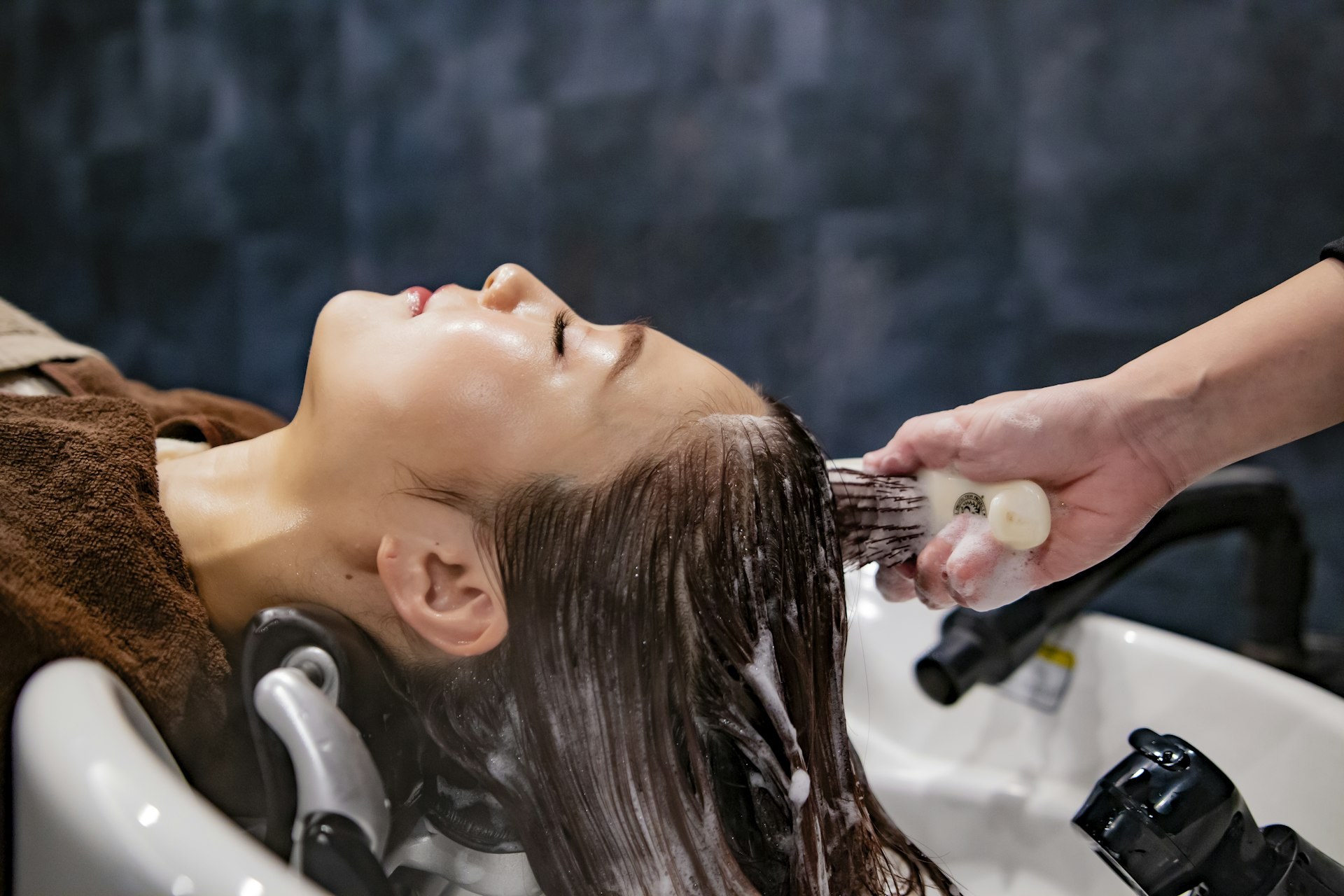
If oiling before a wash is part of your routine — and for a lot of readers here it has been since childhood, for scalp and length care both — there’s no reason to drop it just because colour has entered the picture. Sequencing is the whole trick: oil gets shampooed out thoroughly rather than left to sit underneath a colour-depositing wash, because a heavy oil layer is exactly the kind of barrier that keeps pigment from reaching the cuticle evenly.
For the wash itself, Malaysia’s heat and humidity push most people toward washing more often than they might in a cooler climate, and every wash — as covered in why hair colour fades so fast in Malaysia — costs some colour. A sulfate-free, colour-safe shampoo softens that trade-off, because sulfates are the ingredient class most likely to strip deposited pigment quickly rather than gradually.
Where do you start if you’ve used henna and want to try a colour-depositing shampoo?
With the patch test, and with saying the word henna out loud. If henna has ever touched your hair — even years ago — mention it before any colour service. Then, before a multi-shade colour-depositing shampoo goes anywhere near the whole head, patch-test a small, hidden section: a few minutes buys you an answer instead of a guess. From there, matching the shade to what you’re actually trying to hold — coffee tones, warm browns, or something cooler — is the same logic covered in the purple shampoo guide: pigment needs to come from the same colour family as the result you want. Keep the limits in view while you choose — a colour-depositing shampoo is not a hair dye and does not cover grey, so it will neither lighten hair nor lift a henna stain, only tone what is already there. If henna is anywhere in your hair’s history, the patch test is the step that answers the question for your hair rather than for hair like yours.
The short version
Coarse, dark hair takes more lifting before a fashion colour reads clearly. A heavy oil layer left on before a colour service slows even pigment uptake, though what a long-term oiling routine does to colour retention still isn’t documented. Henna leaves a genuine, long-lived stain that changes how future colour behaves, and how it meets a colour-depositing shampoo is untested. So: patch-test, go slowly, and ask before you commit.
Salon Authority · Q&A
Common questions
Can I use a colour-depositing shampoo on hair that has been hennaed before?
Does oiling my hair every week stop dye or colour-depositing shampoo from working?
Will a colour-depositing shampoo show up on dark hair that's never been lightened?
Is coarse, dark hair actually harder to lighten before colouring?
How should I wash thick, dark, oil-treated hair in Malaysia's heat and humidity?
Related reading
 Scalp Care
How Often Should You Wash Your Hair in Malaysia?
There is no universal wash schedule for Malaysia’s heat and humidity. Use scalp oil, sweat, hair type and …
 Scalp Care
Do You Need a Scalp Serum, or Is Shampoo Enough?
Shampoo and scalp serum are different product formats, not steps everyone needs. Learn what rinse-off and …
 Scalp Care
Plant Vesicles and Exosomes in Haircare: What Do the Terms Mean?
Plant vesicle, nanovesicle and exosome are not interchangeable proof of performance. Learn why researchers …